

FAQ – Vestfold for international travellers
Last updated:Planning a trip to Vestfold? Here you`ll find answers to the most common questions about travelling to this coastal region in Norway - including how to get here, what to do, where to stay and when to visit.
Plan Your Trip 📍
Where is Vestfold, and how far is it from Oslo?
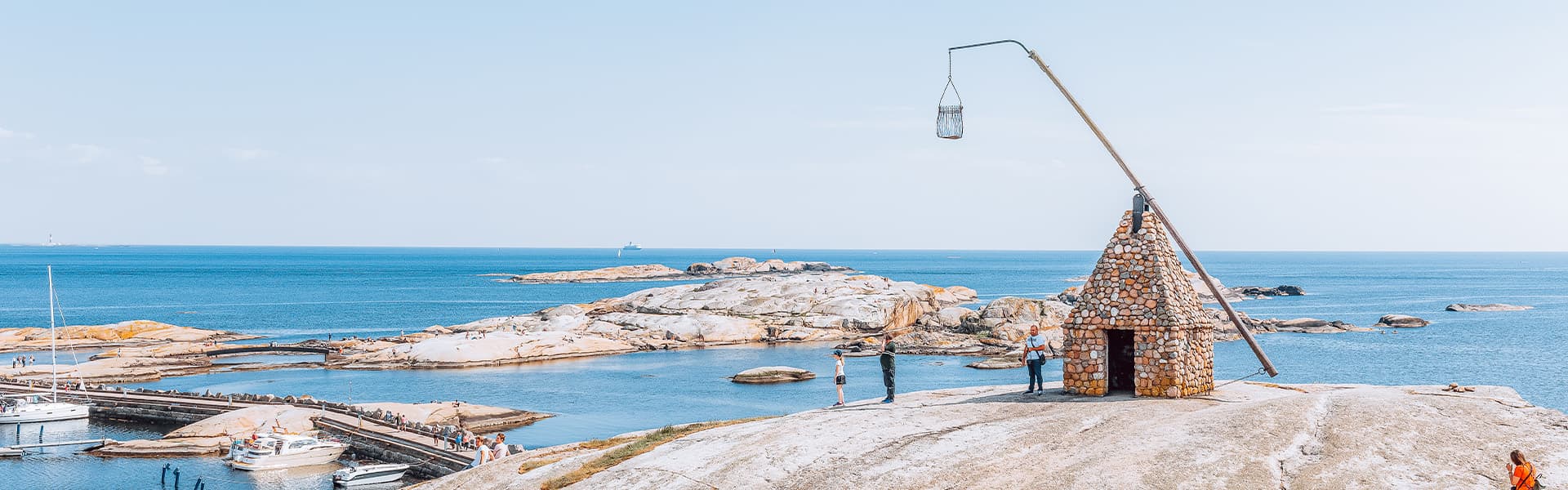
Vestfold is a coastal region located around 1–2 hours south of Oslo, depending on where you travel. Stretching along the Oslofjord, the region is known for its beaches, charming seaside towns, Viking history, and connections to artist Edvard Munch.
Vestfold is one of the easiest coastal regions to reach from Oslo, making it ideal for day trips, weekend getaways, and longer holidays in Norway.
How do I get to Vestfold?
Getting to Vestfold:
- By car from Oslo: 1-2 hours via the E18 highway
- By train: Frequent departures to towns like Holmestrand, Tønsberg, Sandefjord and Larvik
- By bus: Regular regional connections
- By ferry: Denmark (Hirtshals-Larvik) and Sweden (Strömstad-Sandefjord)
- By air: Via Sandefjord Airport Torp (TRF), with international flights and easy onward transport into the region.
Vestfold is a convenient destination if you`re already travelling in Eastern Norway
What is the nearest airport to Vestfold, Norway?
The nearest airport to Vestfold is Sandefjord Airport Torp (TRF), located just a short drive from many of the region’s towns. It offers direct flights to and from several European destinations and is one of the most convenient entry points for international visitors.
From the airport, Vestfold is easily accessible by train, bus, or car, with travel times typically ranging from 10 to 30 minutes depending on your destination.
Is Vestfold worth visiting?
Yes – Vestfold is one of Norway`s most accessible coastal destinations.
Its known for:
- Beautiful coastline and beaches
- Charming seaside towns: Larvik, Sandefjord, Tønsberg, Horten and Holmestrand
- Viking heritage and cultural attractions
- Short distances between experiences
Things to do
What are the best things to do in Vestfold?
Vestfold offers a mix of nature, culture and coastal experiences:
- Walk along the scenic coastal path (Kyststien)
- Visit small coastal towns
- Relax on beaches and smooth coastal rocks
- Explore Viking history and museums, and connections to Edvard Munch
- Enjoy festivals, concerts and cultural events
What is Vestfold known for?
Vestfold is especially known for:
- Its long coastline along the Oslofjord
- Summer life with beaches and boating
- Viking history, including burial mounds and heritage sites
- Art and culture, including connections to Edvard Munch
- A high concentration of experiences within short distances
What can I do in Vestfold with kids?
Vestfold is a family-friendly destination with a wide range of activities for all ages:
- Coastal beaches and designated swimming areas
- Family farms and hands-on animal experiences
- Museums and Viking heritage sites to explore
- Outdoor activities and seasonal family events
Where can I experience Viking history in Vestfold?
You can visit:
- Viking burial sites
- Museums and Historical exhibitions
- Cultural landmarks connected to Norway’s early history
Accommodation 🛏️
Where should I stay in Vestfold?
Vestfold offers a wide range of accommodation:
- Hotels: In cities and coastal towns such as Horten, Tønsberg, Sandefjord, Larvik & Stavern
- Cabins & apartments: Flexible and great for families
- Camping: Popular in summer along the coast
- Guest harbours: For boat travellers
- Unique Stays: Looking for something different? Explore handpicked, distinctive places to stay in Vestfold
Because distances in Vestfold are short, you can easily stay in one place and explore several towns, beaches, Viking attractions and coastal hikes during your visit.
Food & Culture 🍽️
What food is Vestfold known for, and where can I eat?
Vestfold has a strong food culture shaped by its coastal location and local producers:
- Fresh seafood
- Restaurants across the region focusing on seasonal, locally sourced ingredients
- Cafés, bakeries, farm shops, and small-scale producers across the region
- A growing farm-to-table scene, with local food, craft drinks, and microbreweries